
Is Forklift Training Worth It? The Facts Behind Common Myths in 2026
One of the first questions people ask when considering a career change is straightforward: “is forklift training worth it?” It’s a reasonable question given the investment of time and money involved. After 25+ years of training operators across the Midlands, we can address this question with actual data rather than sales pitches. This article examines whether forklift training is worth it by separating facts from the common myths that often cloud this decision.
MYTH – “You Need Previous Warehouse Experience”
Many people assume forklift training isn’t worth it for them because they lack warehouse experience. This is completely false.
The Reality: You don’t need any prior warehouse or logistics experience to become a certified forklift operator. Our training courses are designed for complete beginners.
What you actually need:
- Basic physical mobility (ability to climb in/out of a cab and sit for periods)
- Willingness to learn
- Ability to follow safety instructions
- Valid identification for certification purposes
DW Forklift Training regularly certifies people transitioning from completely different industries – retail, hospitality, office work, and more. Previous warehouse experience can be helpful, but it’s not a requirement that should make you question whether forklift training is worth it for your situation.
MYTH – “Forklift Training Takes Weeks or Months”
The Reality: Most forklift certification courses are surprisingly brief:
- Novice Counterbalance: Typically 3-5 days
- Experienced Operator Conversion: Often 1-2 days
- Refresher Courses: Usually 1 day
The actual timeline from decision to certification can be as short as one week, depending on course availability and your schedule. This short timeframe is one reason why forklift training is worth it – you’re not committing to months of education before seeing returns.
Is Forklift Training Worth It? The Financial Reality
This is where we can definitively answer “is forklift training worth it” with mathematics rather than opinion.
Training investment: £200-£600 (depending on course type)
Certified operators earn approximately £14.37-£14.42 per hour versus minimum wage positions at £11.44 per hour (2024 rates) IndeedIndeed
That’s roughly £3.00/hour difference, or approximately:
- £120 per 40-hour week
- £520 per month
- £6,240 annually
The training pays for itself within the first month of employment.
This financial calculation alone demonstrates why forklift certification is worth it – few educational investments return their cost so quickly.
MYTH – “Age is a Barrier”
Some people over 40 assume forklift training isn’t worth it because they believe age will prevent employment.
The Reality: We’ve successfully trained operators ranging from 18 to 62 years old. Age itself isn’t the determining factor – physical capability is.
Can you:
- Climb into and out of a forklift cab multiple times per shift?
- Sit for extended periods while remaining alert?
- Perform basic physical movements required for operation?
If yes, your age is irrelevant. Many of our most successful career changers have been in their 40s and 50s, bringing maturity, reliability, and strong work ethic to their new roles. Don’t let age concerns make you question whether getting forklift training is worth it.
MYTH – “Certification Doesn’t Guarantee Employment”
This myth makes people question whether forklift training is worth it from an employment perspective.
The Reality: This is technically accurate but misleading. No training guarantees employment – that’s not how employment works in any field.
However, the current market reality tells a different story:
The West Midlands saw 5.3 million sq ft of logistics activity in 2024, a 53% increase from 2023 Savills. The Midlands accounts for 42% of all UK logistics leasing activity MLR Networks.
This expansion requires operators. While certification doesn’t “guarantee” employment, it makes you eligible for thousands of positions that are otherwise completely inaccessible. This market reality is a key factor in determining whether forklift training is worth the investment.
MYTH – “All Training Providers are the Same”
If you’re wondering “is forklift training worth it,” the answer depends partly on which provider you choose.
The Reality: Significant differences exist:
- Accreditation: RTITB accreditation is the gold standard. Some providers offer non-accredited “certificates” that many employers don’t recognise.
- Equipment Quality: Training on well-maintained, modern equipment versus outdated machinery affects your preparedness.
- Instructor Experience: Qualified instructors with decades of experience versus recently certified trainers.
- Pass Rates: These vary significantly between providers.
- Facilities: Purpose-built training centres versus makeshift arrangements.
DW Forklift Training offers RTITB accreditation, purpose-built Birmingham facilities, and instructors with extensive experience. Forklift training is worth it when you choose a reputable provider – but low-quality training from unaccredited providers may not provide the same value.
MYTH – “It’s Just About Driving Around with Pallets”
Some people assume forklift training isn’t worth it because they think the role is simple.
The Reality: Proper forklift training covers:
- Load physics and centre of gravity calculations
- Hazard perception and risk assessment
- Pre-shift equipment inspection procedures
- Workplace legislation and operator responsibilities
- Emergency procedures and incident reporting
- Safe stacking and storage principles
- Battery management (for electric equipment)
- Environmental awareness in warehouse settings
Employers specifically request RTITB-certified operators because they know comprehensive training has occurred, not just basic vehicle operation. This is why forklift training is worth it – you’re gaining genuinely valuable professional skills.
MYTH – “One Certification Covers All Equipment Types”
The Reality: Different equipment requires different certifications:
- Counterbalance Forklifts: The most versatile, used across multiple industries
- Reach Trucks: Specialised for narrow-aisle, high-rack operations
- Powered Pallet Trucks (PPT): Common in retail and light industrial settings
Each requires separate training and certification. Building a portfolio of certifications increases your employability and earning potential.
Specialist operators with multiple equipment certifications typically earn £14.50-£18.00 per hour compared to £12.50-£16.00 for entry-level single-equipment certification Blue Arrow.
This demonstrates why forklift training is worth it as an ongoing investment – additional certifications continue to increase your earning potential.
MYTH – “Refresher Training is Just a Money Grab”
People wonder whether refresher training means the original certification wasn’t worth it.
The Reality: The HSE (Health and Safety Executive) recommends refresher training every 3-5 years for legitimate safety reasons:
- Safety regulations and best practices evolve
- Operating habits can drift over time without periodic correction
- New equipment features and technologies are introduced
- Refresher training statistically reduces workplace accidents
Employers often require current refresher certification for insurance purposes. One day every few years protects years of career investment, proving the initial forklift training was worth it.
MYTH – “Physical Strength is Essential”
The Reality: Modern forklifts feature:
- Power steering
- Ergonomic controls
- Adjustable seating
- Hydraulic or electric lifting systems
Physical strength isn’t the primary requirement – coordination, spatial awareness, and attention to detail matter more. This is why women increasingly succeed in forklift operation, often demonstrating exceptional precision and safety awareness.
Don’t let concerns about physical strength make you question whether forklift training is worth it for you.
The Midlands Advantage – Regional Context for Value
The Golden Triangle (Birmingham-Nottingham-Northampton corridor) provides access within four hours to 90% of the UK population MLR Networks, making it the strategic centre of UK logistics.
For Midlands residents considering forklift training, this geographic advantage translates to:
- Higher density of employment opportunities
- Shorter commutes to multiple potential employers
- Greater ability to be selective about positions
- More opportunities for career progression within the sector
Training locally with a Midlands-based provider like DW Forklift Training means understanding the specific regional employment landscape. This regional context further answers “is forklift training worth it” – particularly in high-demand areas like the Midlands.
So, Is Forklift Training Worth It? The Verdict
Let’s summarise the facts:
Time Investment: 3-5 days for initial certification Financial Investment: £200-£600 Return Timeline: Training cost recovered within first month of employment Annual Salary Increase: Approximately £6,240 vs minimum wage positions Market Demand: The Midlands logistics sector is experiencing measurable, sustained growth SavillsSavills USA Age Barriers: None (physical capability matters, not age) Experience Requirements: None required to begin
Is forklift training worth it? Based on objective financial analysis, employment market data, and career progression potential – absolutely yes.
The operators who benefit most are those who:
- Choose RTITB-accredited training from established providers
- Understand which equipment certifications match regional demand
- Approach training seriously rather than viewing it as a mere formality
- Continue professional development with additional certifications and refreshers
Conclusion: Making the Right Decision About Whether Forklift Training Is Worth It
After 25+ years of training Midlands operators, we’ve seen these facts play out consistently. Forklift training is worth it for people who make decisions based on reality rather than assumptions.
The question isn’t really “is forklift training worth it” – the data clearly shows it is. The real questions are:
- Which equipment certifications match your career goals?
- Which training provider offers the quality and accreditation employers recognise?
- Are you prepared to commit to the brief training period?
- Does the regional job market support your employment goals?
For honest answers to these specific questions about whether forklift training is worth it for your situation, contact DW Forklift Training. We’d rather provide accurate information that helps you make the right decision than convince you with exaggerated claims.
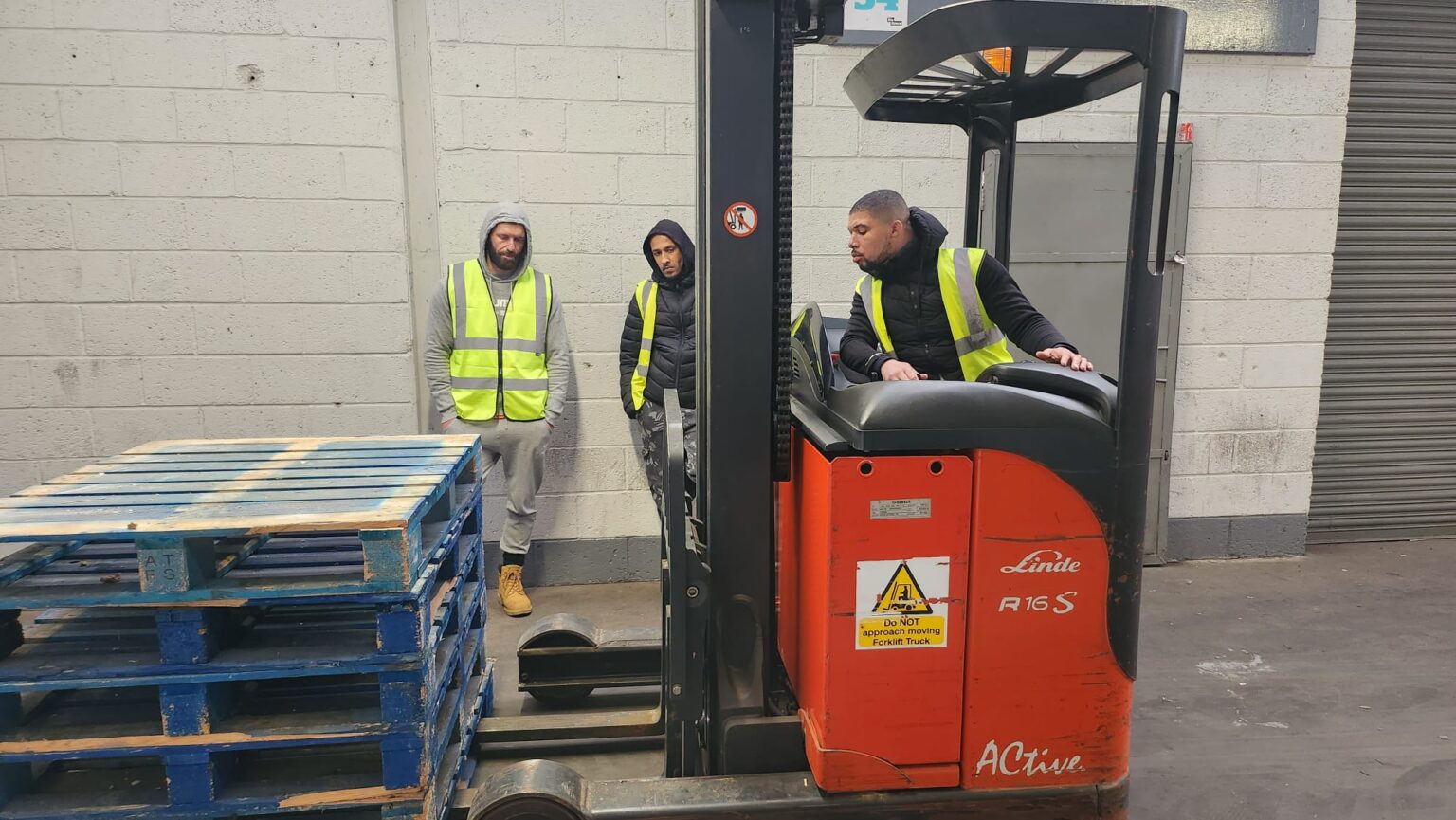
DW Forklift Training: Your REach Truck TRAINING Partner
Based in Birmingham and Leicester, DW Forklift Training offers comprehensive forklift training certification. We provide courses at our facilities or on-site to meet your business needs.
Courses include:
- Counterbalance Forklift Training
- Reach Truck Training
- Powered Pallet Truck (PPT) Training
Safety starts with training. Contact DW Forklift Training today to book your forklift training certification and create a safer, more productive workplace.
Contact us today to learn more about our training programs and take the first step towards becoming a qualified forklift operator! Explore our courses here!
Ready to take the next step toward your career goals? Contact DW Forklift Training today to enroll in our certification courses and gain the skills employers are looking for. Your future as a skilled forklift operator awaits!
Ready to unlock your success?
Remember, at DW Forklift Training, we’re here to help you succeed every step of the way. Let’s elevate your career together in the exciting world of forklift operation.
